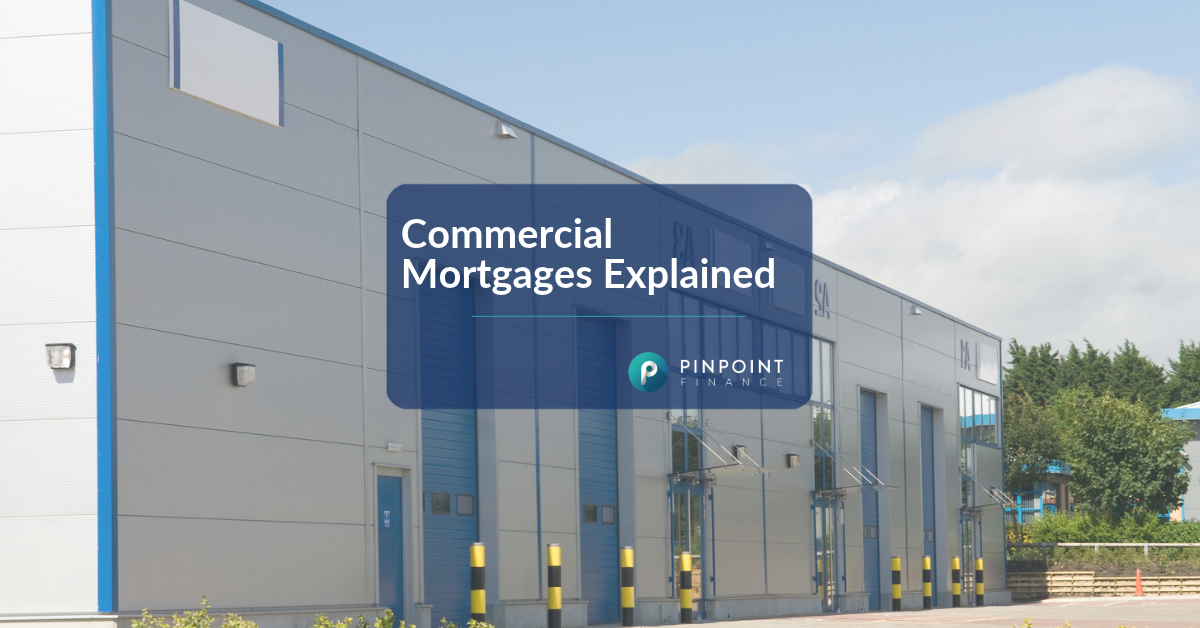
Commercial Mortgages Explained: A Plain English Guide
If you’re a business owner thinking about buying the building you trade from, you’ve probably come across the term “commercial mortgage” more times than you can count, usually without a straightforward explanation attached. This guide strips away the jargon and walks you through what a commercial mortgage actually is, how it works, and what Yorkshire businesses need to know before applying in today’s market.
1. What Is a Commercial Mortgage?
A commercial mortgage is a loan secured against a property that is used for business purposes rather than as a home. This could be a shop, office, warehouse, industrial unit, restaurant, or even a block of flats held for investment. Unlike a residential mortgage, the lender assesses the loan based on your business’s financial performance and the property’s suitability, not just your personal income.
Commercial property finance tends to be more varied than residential lending. Rates, terms, and deposit requirements differ widely depending on the lender, the sector you operate in, and the condition of the property itself. There is no single standard product, which is exactly why so many business owners find the process confusing at first.
2. Who Needs a Business Premises Mortgage?
A business premises mortgage is typically used by owner-occupiers, companies buying the building they currently rent, and investors purchasing commercial property to let out. In Yorkshire, we regularly see applications from manufacturers in the West Riding, retailers in York city centre, and hospitality businesses across the Dales looking to secure their trading premises rather than continue paying rent indefinitely.
Buying instead of renting can make long-term financial sense. You stop paying into someone else’s asset, you gain control over the building, and in many cases the property itself appreciates in value over the mortgage term. That said, it’s a significant commitment, so understanding the mechanics matters before you sign anything.
3. How Commercial Mortgage Rates Work in 2026
Commercial mortgage rates are priced differently to residential deals. Lenders usually base pricing on the Bank of England base rate plus a margin, and that margin reflects the perceived risk of the loan. Factors include the strength of your business accounts, the loan-to-value ratio, the type of property, and whether the loan is owner-occupied or for investment purposes.
Throughout 2026, base rate movements have continued to influence commercial mortgage rates across the UK, and lenders have been adjusting their risk appetite accordingly. Some lenders have tightened criteria for certain sectors, while others have become more competitive to win business. This is one of the reasons working with a commercial mortgage broker in Yorkshire can be so valuable. Rates and criteria shift regularly, and knowing which lenders are actively competing for your type of deal right now can make a real difference to the terms you’re offered.
4. Commercial Property Finance: Deposit and Terms
Most commercial mortgages require a deposit of between 25% and 40% of the property value, though this varies by lender and sector and can be 20%. Specialist properties, such as pubs or care homes, often attract higher deposit requirements because they’re harder to resell if things go wrong.
Terms typically run from 10 to 25 years, and most lenders offer either variable or fixed rate options, with some providing a mix of both. Interest-only periods are sometimes available, particularly for investment purchases, though owner-occupier mortgages are more commonly arranged on a repayment basis.
It’s also worth remembering that a commercial mortgage is one piece of a wider financial picture. Lenders will want to see business accounts, a clear repayment plan, and sometimes a business plan if you’re a newer company. Having this documentation ready before you approach a lender speeds up the process considerably.
5. Why Use a Commercial Mortgage Broker in Yorkshire
Searching for a commercial mortgage York business can rely on is not as simple as walking into a high street bank. Many commercial lenders don’t have branch networks at all, operating instead through brokers who understand their specific appetite and criteria. A broker who knows the Yorkshire market can match your application to lenders who are genuinely active in your sector and region, rather than submitting a generic application and hoping for the best.
At Pinpoint Finance, we work with businesses across York, Leeds, Sheffield, and the wider Yorkshire region to find commercial mortgage solutions that fit the way they actually operate. You can see more detail on how we approach commercial mortgages on our commercial mortgages page, where we outline the types of properties and businesses we typically help.
6. The Application Process Step by Step
Getting a commercial mortgage usually follows a fairly consistent path:
- Initial discussion: we talk through your business, the property, and what you’re trying to achieve.
- Document gathering: business accounts, bank statements, and details of the property are collected.
- Lender matching: we identify lenders whose criteria and appetite suit your specific deal.
- Application submission: the case is presented with supporting information to give it the best chance of approval.
- Valuation and legal work: the lender instructs a valuation, and solicitors handle the legal side.
- Offer and completion: once terms are agreed, the mortgage completes and the property becomes yours.
Timelines vary, but a straightforward commercial mortgage can complete within a matter of weeks, while more complex cases involving specialist property types may take longer.
If you’re ready to explore your options, get in touch through our contact page and we’ll talk you through the next steps based on your specific circumstances.
FAQ
What deposit do I need for a commercial mortgage?
Most lenders ask for between 25% and 40% of the property value, depending on the sector and the lender’s risk appetite.
Can a new business get a commercial mortgage?
Yes, though lenders will usually want to see a solid business plan, projections, and sometimes a personal guarantee to support the application.
Are commercial mortgage rates fixed or variable?
Both options exist. Many Yorkshire businesses choose a fixed rate for budgeting certainty, while others prefer variable rates for potential savings.
How long does a commercial mortgage take to arrange?
Simple cases can complete in a few weeks, but property type, lender, and the complexity of your business accounts all affect the timeline.
Do I need a broker for a commercial mortgage?
You don’t have to use one, but a commercial mortgage broker in Yorkshire with direct lender relationships can often access better terms and save considerable time.
Ready to Talk to a Real Commercial Mortgage Broker in York?
Whatever you’re planning, we’re here to help you make the right call. Talk to a York-based mortgage broker who knows the local market and has access to the whole of the UK lender panel.
Contact Us | Book a Callback | Call us on 01904 866 100
YOUR HOME OR PROPERTY MAY BE REPOSSESSED IF YOU DO NOT KEEP UP REPAYMENTS ON YOUR MORTGAGE. Pinpoint Commercial Finance Ltd is authorised and regulated by the Financial Conduct Authority (FCA reference 733225). Not all products and services we offer are regulated by the FCA.